
General Dentistry
A healthy, beautiful smile starts here

General Dentistry | Dentist
Improve your smile today – call to schedule a consultation!
Claim Now!

General Dentistry

Dr. Reid Stone and our team work hard every day to make sure your visits to Dr. Stone's Office are pleasant and uncomplicated. Knowing that you’re relaxed and comfortable with us is the easiest way for us to make sure you get the high-quality care dental care you deserve and need.

But millions of people avoid dental visits, so if you’ve fallen a little behind, you’re not alone. Our goal, however, is to create an atmosphere of trust and concern that paves the way for the most comfortable visit you’ve ever had. In fact, nothing makes us happier than the positive feedback we hear from our patients about their visits with us.

Enjoy Our Comprehensive Family Care

We understand you have a busy schedule filled with obligations that can make it hard to find time for dental appointments. At Dr. Stone's Office, we make it easy for you to receive necessary dental treatments from a team of professionals you know and trust. With all our preventive, restorative, and cosmetic services, you’ll find that we can easily meet most of your needs here in one familiar location. 

Ensuring that kids start with a positive attitude about dentistry is one of the most important things we can do for them. We like to see children starting at age one when baby teeth begin to emerge. Dr. Stone and our team know how important it is to relate to kids on their level, and you can feel good knowing that your child will be treated with kindness and concern!

Professional cleanings and exams are important routine services that do a lot to protect your family’s oral health. We’re always available to fix problems when they come up, but it’s much better for you in the long term if these problems don’t occur in the first place.

We offer a wide array of family dental services that include fillings, root canals, and extractions. Whatever procedure you receive, you can feel comfortable knowing that our friendly, caring team will do everything possible to make sure you’re comfortable.

Convenient, High-Quality Dental Treatment

At Dr. Stone's Office, we want to make sure that getting high-quality dental care is a stress-free experience for you and your family. We will help you arrange appointments that fit your family’s busy work and school schedules. If an emergency occurs and you’re in pain, we will do our best to make your needs a priority and fit you into our schedule. 

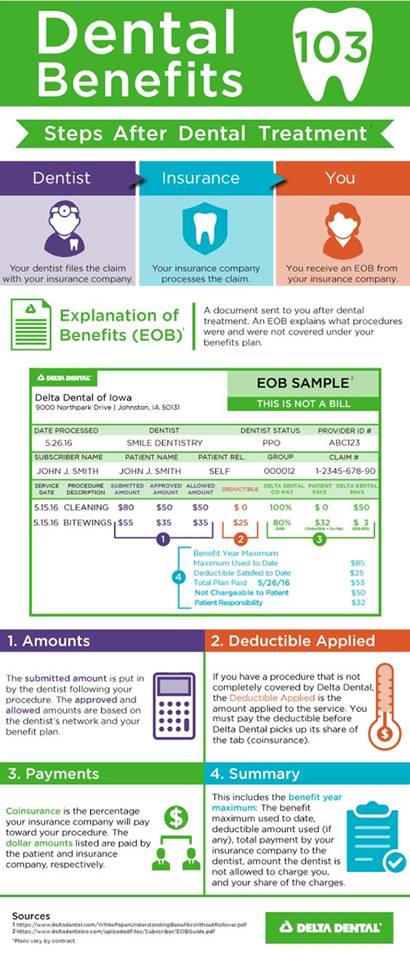
We’re all concerned with the cost of treatment and insurance coverage these days. We work with most major dental plans and will be happy to file your claim for you. If you’re interested in payment options for out-of-pocket expenses, we will be happy to discuss CareCredit interest-free financing.

Please Call to Arrange an Appointment

Dr. Stone and our team would love to welcome you to our extended dental family. Discover for yourself what a difference friendly, personalized attention can make to your oral health care. We look forward to hearing from you soon!!

Kevin C.

My family and I are from Indiana and we were vacationing in the Black Hills. I needed emergency dental assistance. Dr. Stone and his staff were very helpful, courteous, and definitely went the extra mile to help me in my time of need. I was able to be seen right away (accommodating my vacation schedule) and received excellent care from start to finish. My family and I were able to carry on with our vacation due to this excellent level of care. I would highly recommend this facility to anyone in need of dental care. In fact, if Dr. Stone and his staff were near my home I would definitely be his patient. Thank you Dr. Stone and staff for such excellent care!!

Frequently Asked Questions

Brushing our teeth removes food particles, plaque, and bacteria from all tooth surfaces, except in between the teeth.  Unfortunately, our toothbrush can’t reach these areas that are highly susceptible to decay and periodontal (gum) disease.

Daily flossing is the best way to clean between the teeth and under the gumline.  Flossing not only helps clean these spaces, it disrupts plaque colonies from building up, preventing damage to the gums, teeth, and bone.

Plaque is a sticky, almost invisible film that forms on the teeth.  It is a growing colony of living bacteria, food debris, and saliva.  The bacteria produce toxins (acids) that cause cavities and irritate and inflame the gums.  Also, when plaque is not removed above and below the gumline, it hardens and turns into calculus (tartar).  This will further irritate and inflame the gums and also slowly destroy the bone.  This is the beginning of periodontal disease.

How to floss properly:

Take 12-16 inches (30-40cm) of dental floss and wrap it around your middle fingers, leaving about 2 inches (5cm) of floss between the hands.

Using your thumbs and forefingers to guide the floss, gently insert the floss between teeth using a sawing motion.

Curve the floss into a “C” shape around each tooth and under the gumline.  Gently move the floss up and down, cleaning the side of each tooth.

Floss holders are recommended if you have difficulty using conventional floss.

Daily flossing will help you keep a healthy, beautiful smile for life!

Brushing and flossing help control the plaque and bacteria that cause dental disease.

Plaque is a film of food debris, bacteria, and saliva that sticks to the teeth and gums.  The bacteria in plaque convert certain food particles into acids that cause tooth decay.  Also, if plaque is not removed, it turns into calculus (tartar).  If plaque and calculus are not removed, they begin to destroy the gums and bone, causing periodontal (gum) disease.

Plaque formation and growth is continuous and can only be controlled by regular brushing, flossing, and the use of other dental aids.

Toothbrushing – Brush your teeth at least twice a day (especially before going to bed at night) with an ADA approved soft bristle brush and toothpaste.

  • Brush at a 45 degree angle to the gums, gently using a small, circular motion, ensuring that youalways feel the bristles on the gums.
  • Brush the outer, inner, and biting surfaces of each tooth.
  • Use the tip of the brush head to clean the inside front teeth.
  • Brush your tongue to remove bacteria and freshen your breath.

Electric toothbrushes are also recommended.  They are easy to use and can remove plaque efficiently.  Simply place the bristles of the electric brush on your gums and teeth and allow the brush to do its job, several teeth at a time.

Flossing – Daily flossing is the best way to clean between the teeth and under the gumline.  Flossing not only helps clean these spaces, it disrupts plaque colonies from building up, preventing damage to the gums, teeth, and bone.

  • Take 12-16 inches (30-40cm) of dental floss and wrap it around your middle fingers, leaving about 2 inches (5cm) of floss between the hands.
  • Using your thumbs and forefingers to guide the floss, gently insert the floss between teeth using a sawing motion.
  • Curve the floss into a “C” shape around each tooth and under the gumline.  Gently move the floss up and down, cleaning the side of each tooth.

Floss holders are recommended if you have difficulty using conventional floss.

Rinsing – It is important to rinse your mouth with water after brushing, and also after meals if you are unable to brush.  If you are using an over-the-counter product for rinsing, it’s a good idea to consult with your dentist or dental hygienist on its appropriateness for you.

Bad breath (halitosis) can be an unpleasant and embarrassing condition.  Many of us may not realize that we have bad breath, but everyone has it from time to time, especially in the morning.


There are various reasons one may have bad breath, but in healthy people, the major reason is due to microbial deposits on the tongue, especially the back of the tongue.  Some studies have shown that simply brushing the tongue reduced bad breath by as much as 70 percent.


What may cause bad breath?


Morning time – Saliva flow almost stops during sleep and its reduced cleansing action allows bacteria to grow, causing bad breath.

Certain foods – Garlic, onions, etc.  Foods containing odor-causing compounds enter the blood stream; they are transferred to the lungs, where they are exhaled.

Poor oral hygiene habits – Food particles remaining in the mouth promote bacterial growth.

Periodontal (gum) disease – Colonies of bacteria and food debris residing under inflamed gums.

Dental cavities and improperly fitted dental appliances – May also contribute to bad breath.

Dry mouth (Xerostomia) – May be caused by certain medications, salivary gland problems, or continuous mouth breathing.

Tobacco products – Dry the mouth, causing bad breath.

Dieting – Certain chemicals called ketones are released in the breath as the body burns fat.

Dehydration, hunger, and missed meals – Drinking water and chewing food increases saliva flow and washes bacteria away.

Certain medical conditions and illnesses – Diabetes, liver and kidney problems, chronic sinus infections, bronchitis, and pneumonia are several conditions that may contribute to bad breath.

Keeping a record of what you eat may help identify the cause of bad breath.  Also, review your current medications, recent surgeries, or illnesses with your dentist.


What can I do to prevent bad breath?


Practice good oral hygiene – Brush at least twice a day with an ADA approved fluoride toothpaste and toothbrush.  Floss daily to remove food debris and plaque from in between the teeth and under the gumline.  Brush or use a tongue scraper to clean the tongue and reach the back areas.  Replace your toothbrush every 2 to 3 months.  If you wear dentures or removable bridges, clean them thoroughly and place them back in your mouth in the morning.

See your dentist regularly – Get a check-up and cleaning at least twice a year.  If you have or have had periodontal disease, your dentist will recommend more frequent visits.

Stop smoking/chewing tobacco – Ask your dentist what they recommend to help break the habit.

Drink water frequently – Water will help keep your mouth moist and wash away bacteria.

Use mouthwash/rinses – Some over-the-counter products only provide a temporary solution to mask unpleasant mouth odor.  Ask your dentist about antiseptic rinses that not only alleviate bad breath, but also kill the germs that cause the problem.

In most cases, your dentist can treat the cause of bad breath.  If it is determined that your mouth is healthy, but bad breath is persistent, your dentist may refer you to your physician to determine the cause of the odor and an appropriate treatment plan.

Brush your child's teeth for about two minutes twice a day: once just before bedtime and at least one other time during the day. Encourage them to spit out excess toothpaste but not to rinse with lots of water. Rinsing with water after tooth brushing will wash away the fluoride and reduce its benefits.

Meet Our Doctor:

Comfortable dentistry in Lead SD

Dr. Reid Stone DDS

“Dentistry is an industry where advancements in technology are rapid, and I enjoy constantly learning and implementing new technology and techniques to better treat our patients.”

Dr. Stone received his Bachelor of Science degree from Baylor University, and then attended the University of Colorado, School of Dental Medicine, where he received his Doctor of Dental Surgery degree. In addition to his education, Dr. Stone participates in many hours of continuing education courses each year; far exceeding the 100-hours required every five-years to maintain his South Dakota Dental license.

As ...

General Dentistry Technology

DIAGNOdent Cavity Detector

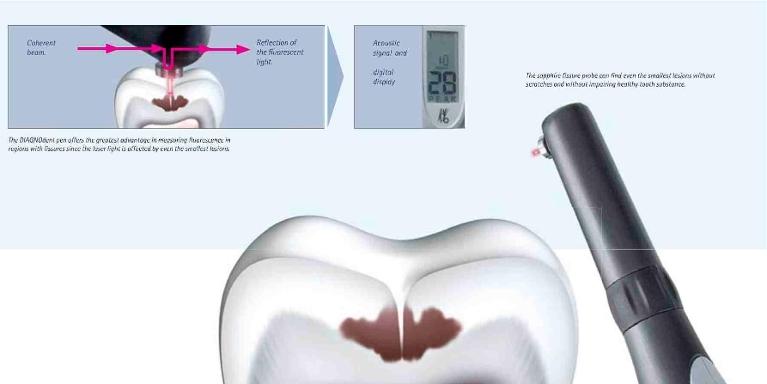
Dental exams are necessary for protecting your oral health. However, many people find manual probing with dental tools to be uncomfortable. To eliminate this problem, we offer DIAGNOdent, a small handheld dental laser. Dr. Stone scans the surface of your teeth, making it easy to find cavities at their earliest stages. These laser images are so detailed, that we can precisely target decay, speeding your treatment time. 

Intraoral Camera

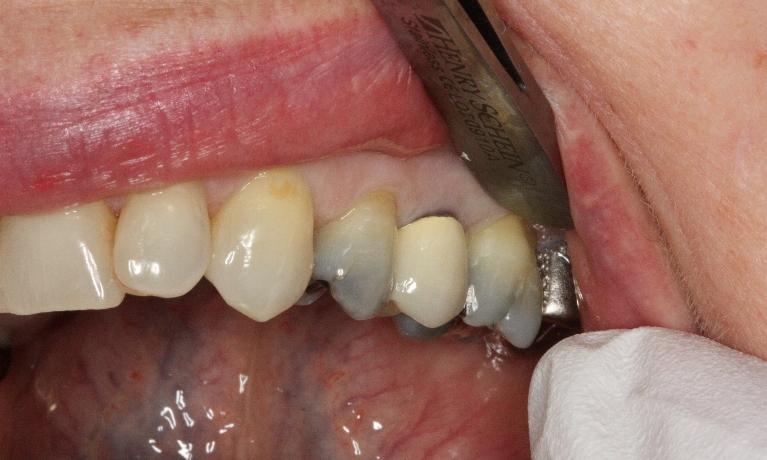
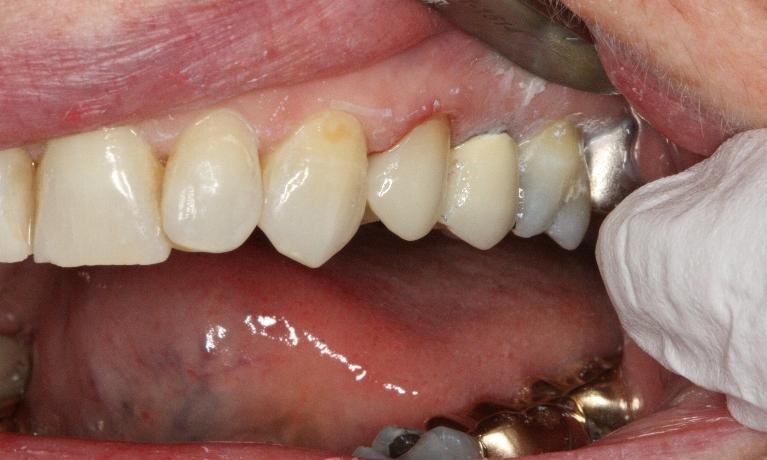
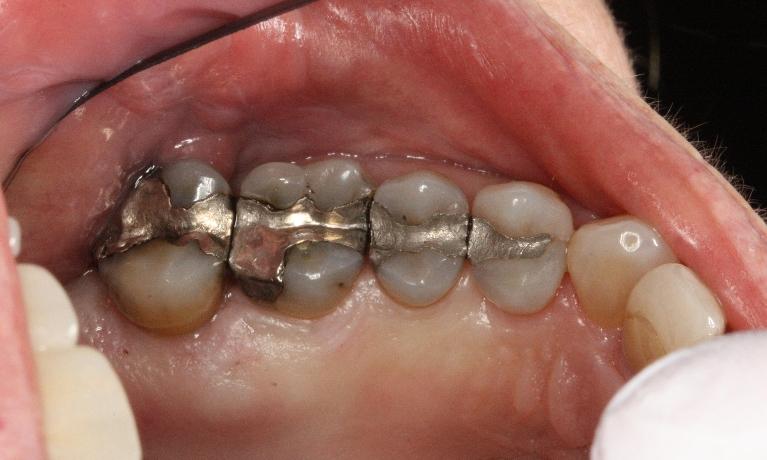
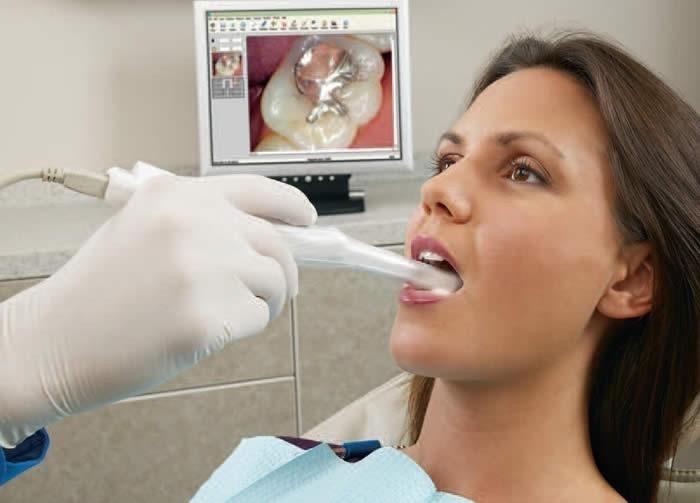
Intraoral cameras are a special type of camera developed specifically for use in dentistry. This handheld instrument allows us to show you images of your mouth so you get a clear picture of what’s happening and why treatment is necessary.

An intraoral camera is very small, about the size of a pen. Using this specialized equipment, we can show you clear, precise images of your teeth and gums. This information helps you see what we see and also allows us to make an accurate diagnosis. The clear, enlarged images, show us details that may be missed during a standard visual exam.

Images taken with the intraoral cameras are stored securely at our Lead dental office. The information gathered from these images helps us to create a comprehensive history of your treatment.

Getting an appointment is fast and easy!
Get Started!